 EN
EN
Quick Links
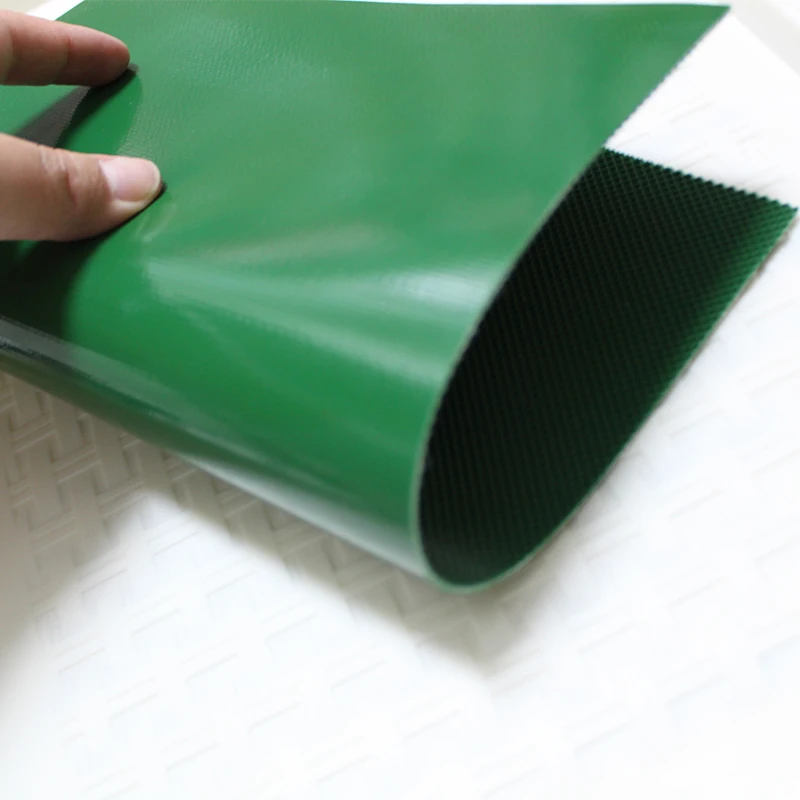
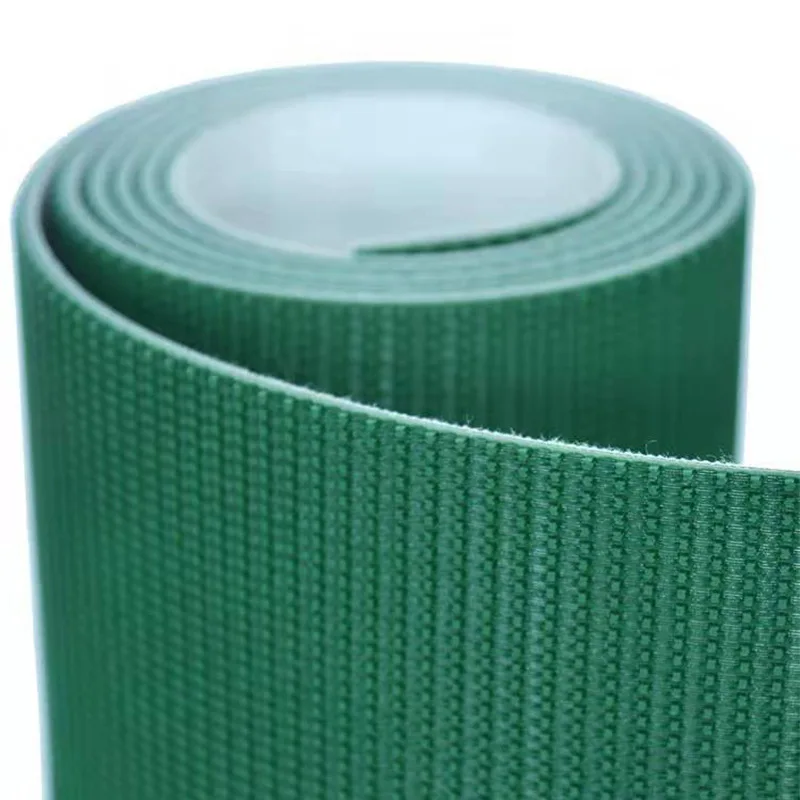
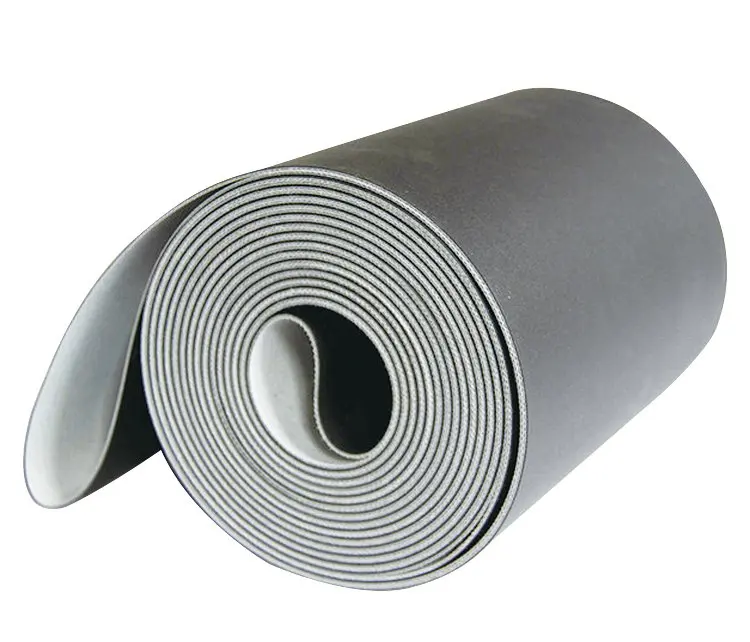
Goods conveyors belts are the backbone of many companies today. They help transport products from point A to point B with minimum hassle. Think of a big factory where people are making toys. Rather than hand-carry the toys one by one, they can place them on a SHUNNAI food processing conveyor belt. This belt carries the toys to the packing area to be boxed up and shipped out to stores.
When users purchase goods conveyor belts, they will often encountered the following common problems. One of the core problems from which most of our woes manifest is conveyor belt quality. Some people who are purchasing may not be able to tell if a conveyor belt is strong and sturdy. The belt itself will be of low-quality, and it can break or wear easily.
Check and care for conveyor belts is required to keep them working well. There are some buyers who might not do that, and that could cause bigger problems down the road. In general, learning about these common problems can help buyers make better-informed decisions when visiting SHUNNAI to purchase the food belt conveyor.
When lots of stuff needs to get out the door, not every conveyor belt is up to the job. The best conveyor belts used in the mass material handling such as conglomerates or coal are made of robust metals that can withstand a high load without having to bend or break. Rubber conveyor belts are one type. Rubber is strong enough to bear added weight, and can be used best while moving heavy items such as grains, coal, or large boxes. The steel belt is also a good choice. Steel belts are stronger than rubber, and ideal for really heavy loads. They are typically used in factories and warehouses where workers must move large pieces of metal or machinery.
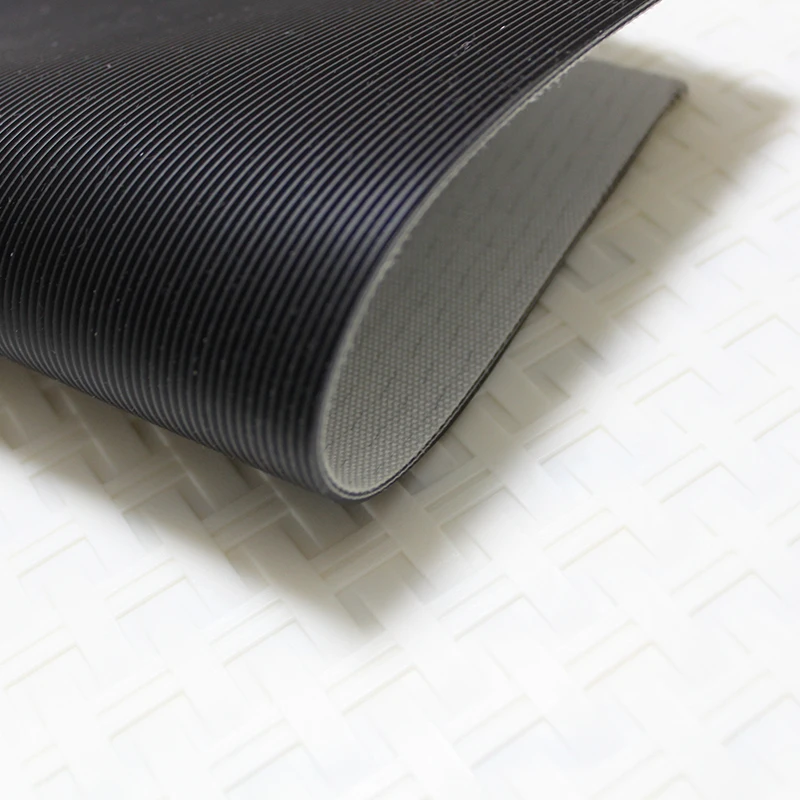
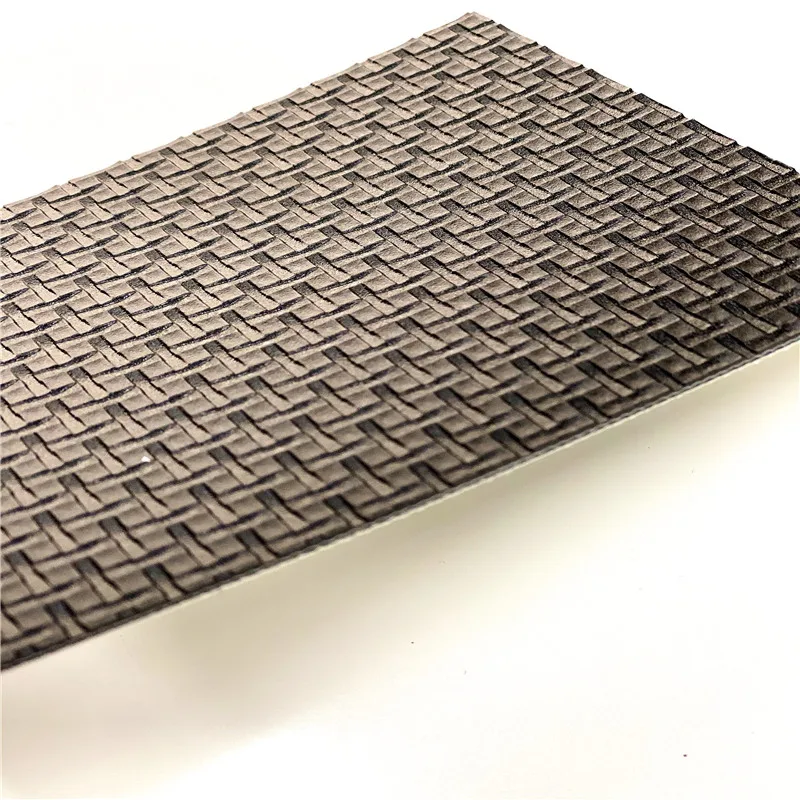
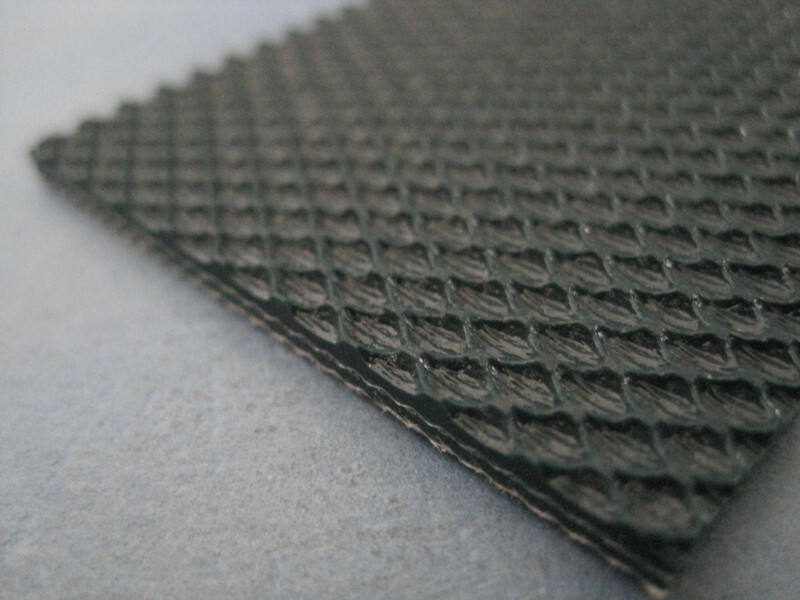
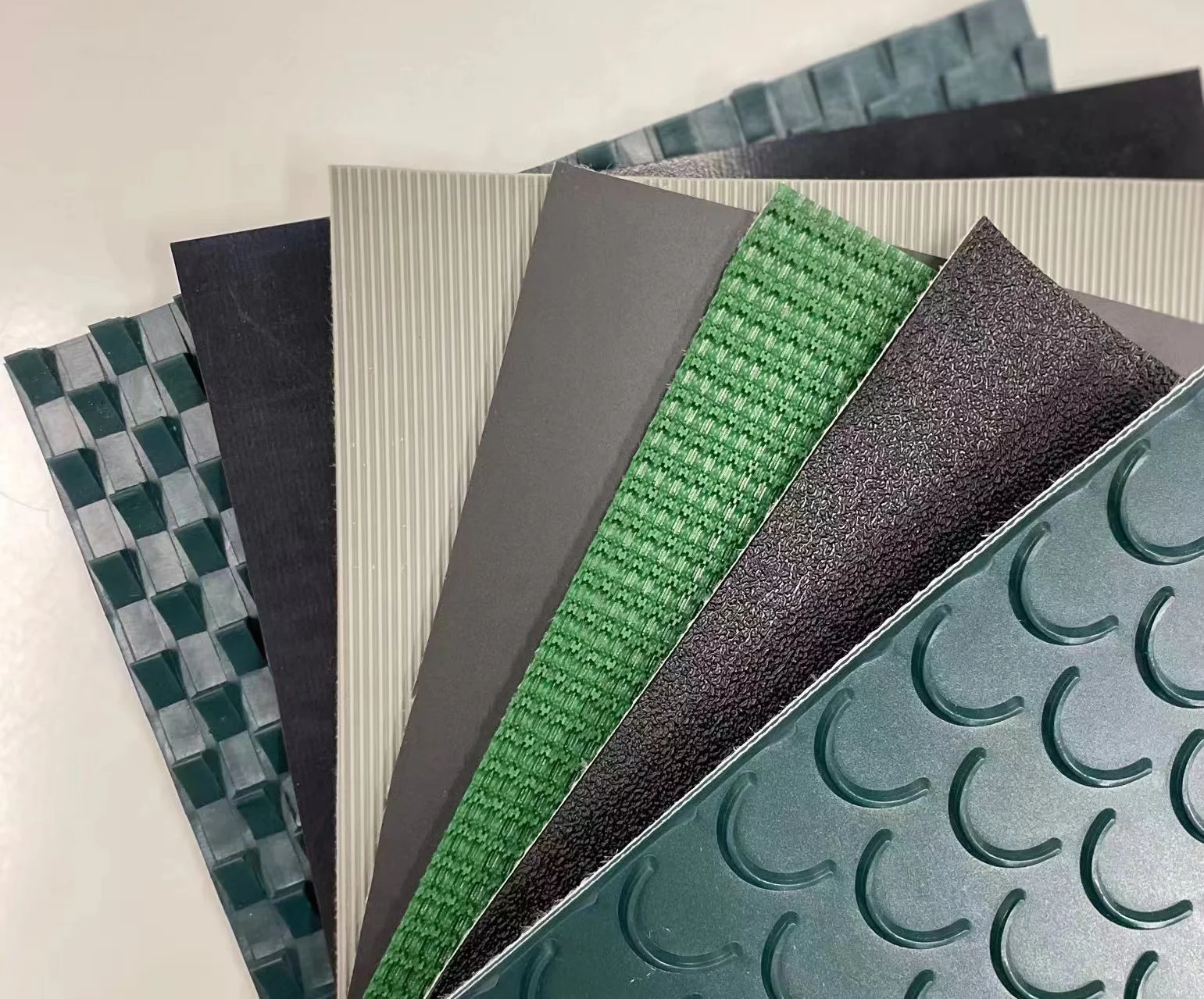
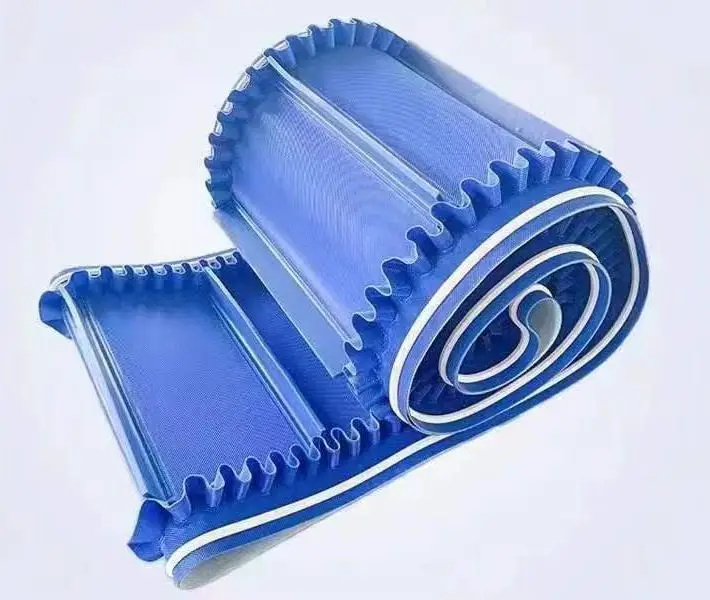
The modular plastic belt is another sort of conveyor belt that is commonly used in industrial environments when the product needs to travel on top of or below the belt. This SHUNNAI food industry conveyor belt is constructed out of numerous little pieces of plastic that interlock. They are extremely flexible and can be adapted to any shape or size. This makes them appealing to businesses that offer varying classes of products. Meanwhile, some conveyor belts are engineered with ridges or other features to help prevent items from slipping on top as they travel.
Shunnai Belting, Leading conveyor and transmission belts expert delivering high-quality products, customer-focused innovation, and trusted solutions across industries for optimal performance.
Copyright © Shunnai Belting (Shanghai) Co., Ltd. All Rights Reserved | Privacy Policy