 EN
EN
Quick Links
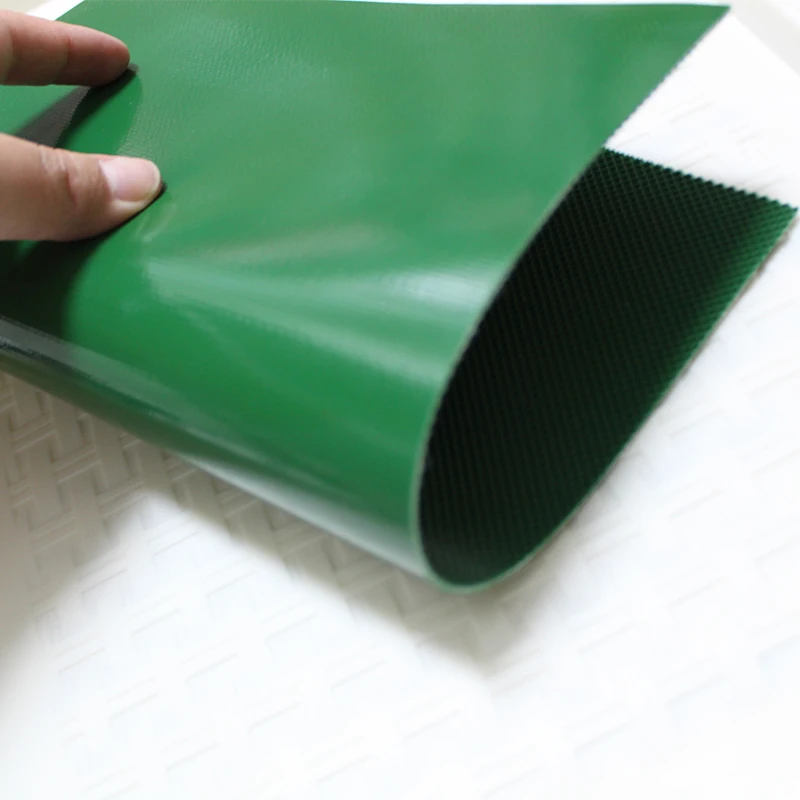
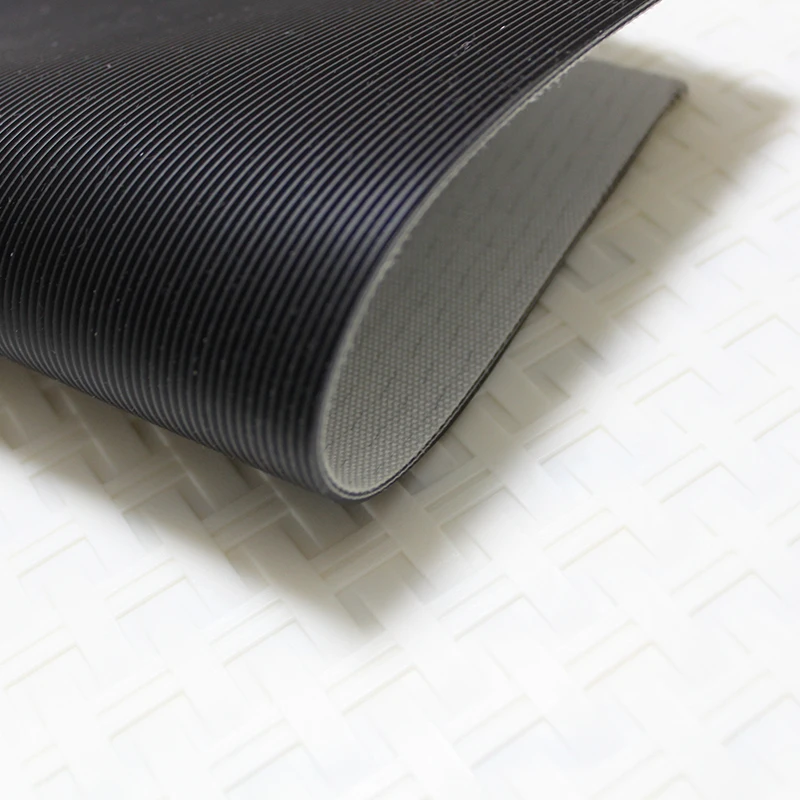
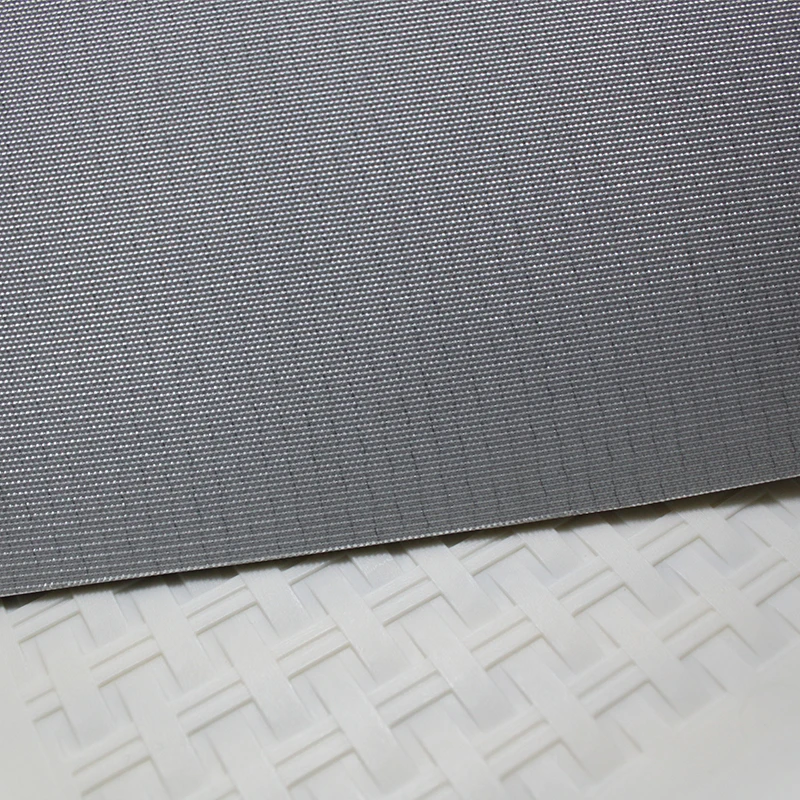
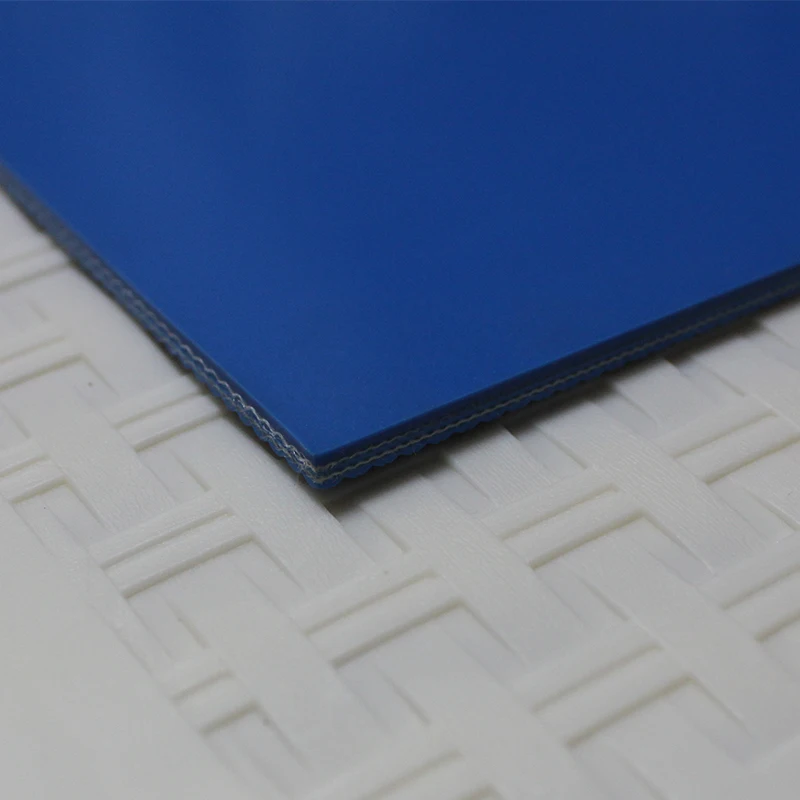
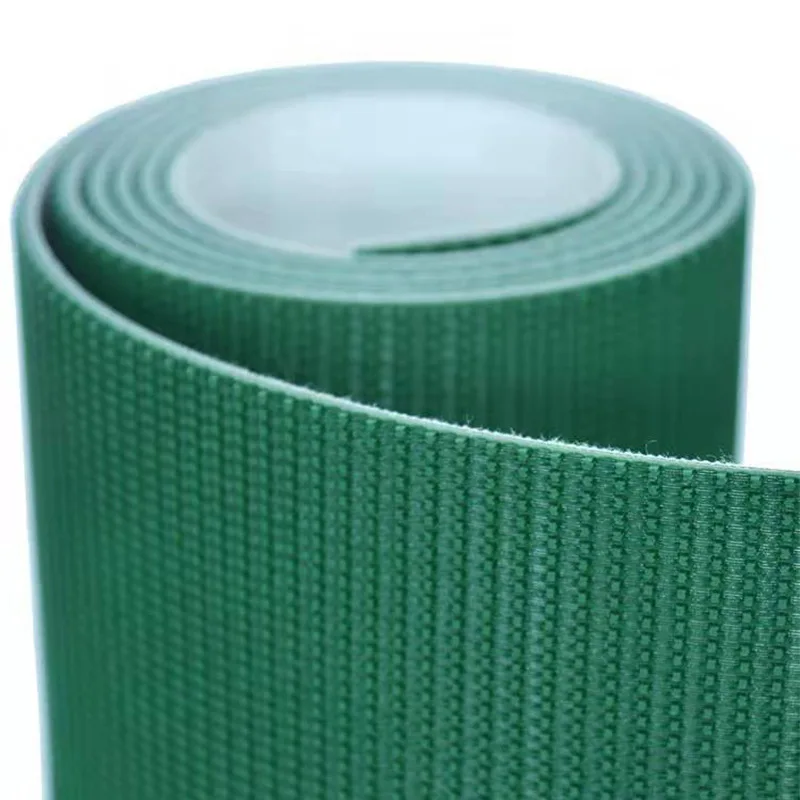
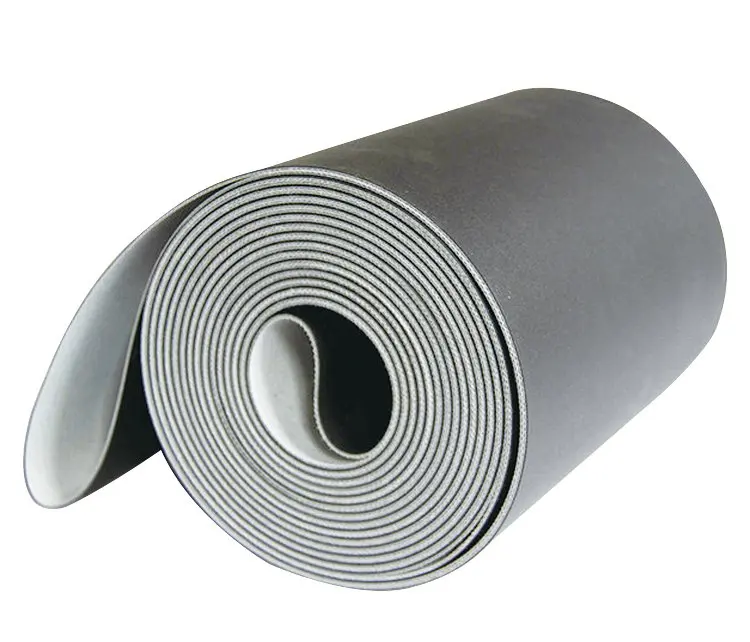
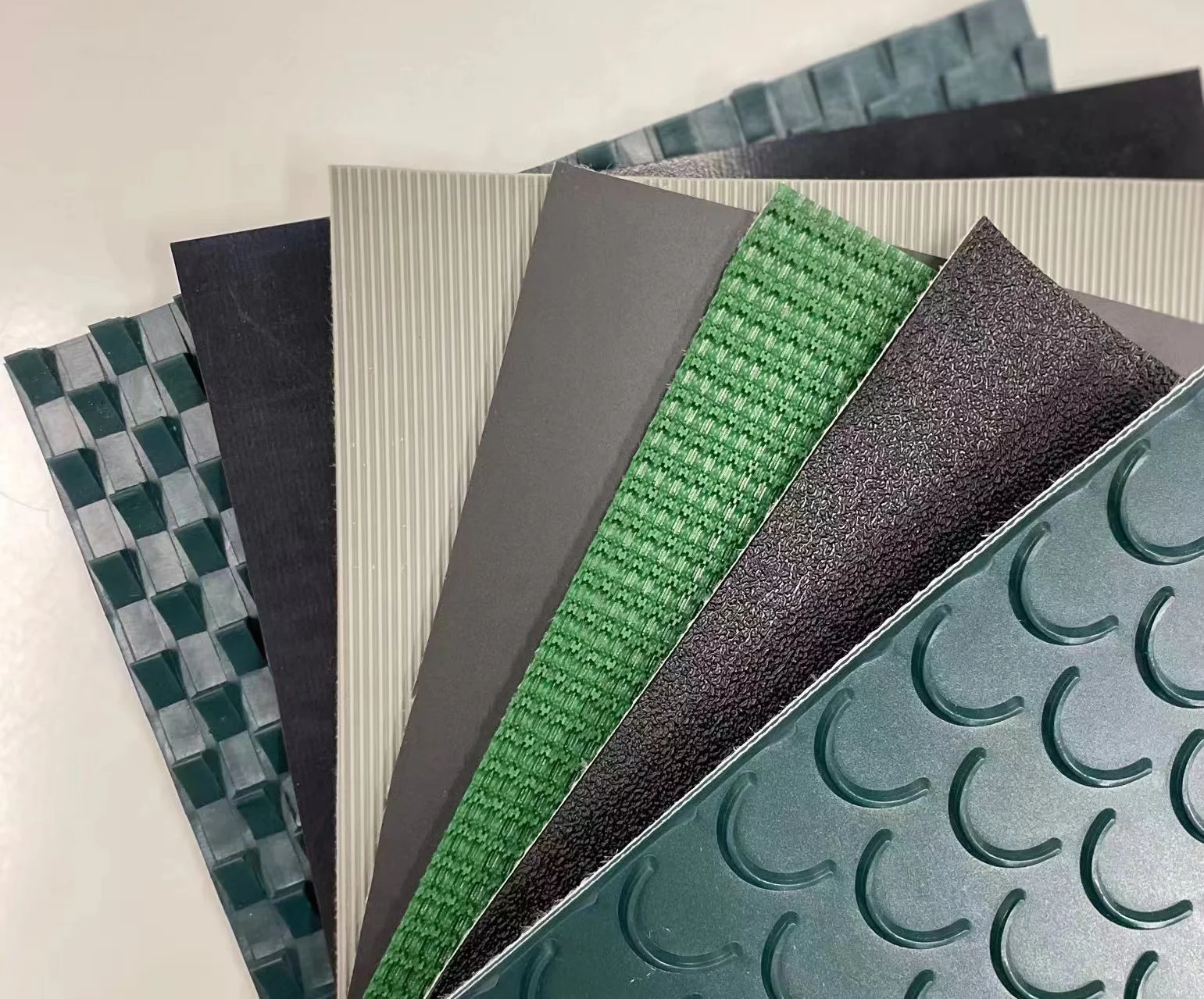
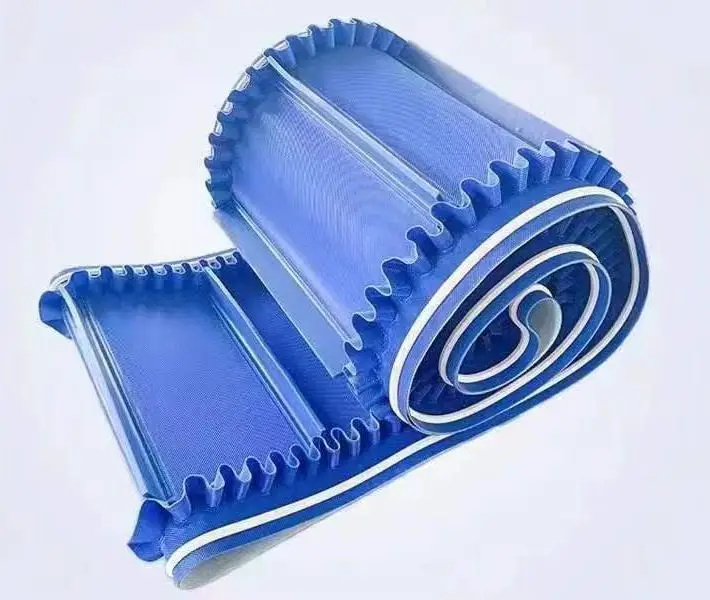
Conveyor belts are important elements in various end-use industries. They help get products and materials from point A to point B with few complications. Conveyor belts can be seen in factories, warehouses and the airport. These are strong belts that can handle heavy weights, and be worked for hours without a break. This makes them well-suited for lots of jobs: sorting packages, transporting car parts. SHUNNAI is a company that knows the importance of conveyor belt on industry. We produce strong, reliable conveyor belts that are highly resistant to wear and abrasion
Conveyors for industries bring numerous wonderful advantages in it. First, they save time. When things pass by on a conveyor belt, workers don’t have to trudge around with them. That means things are done more quickly, and workers can move on to something more important, such as testing the quality. Two, the belt could handle heavy objects. They are designed for heavy lifting So they are great for factories that have to lift big bits of machinery or materials. For instance, a conveyor belt in a car factory might move heavy car parts seamlessly between stations. Third, they improve safety. Rather than relying on workers to lift heavy loads, conveyor belts do the lifting itself while minimizing the risk of physical injury. This is ironically most critical in areas where menial heavy lifting is the norm. And fourth, conveyor belts are customizable. SHUNNAI also offers a variety of sizes and styles to cater different needs. With both small-shop (short) and large-warehouse (long) belts available, there’s a power connectivity for everyone. conveyor belting can also be rigged. This means that they can operate with little human assistance. Young companies cut out labor costs with automation; that allows companies to run cheaper and more efficiently. Finally, conveyor belts are easy to maintain. They’re so low maintenance, in most cases requiring just a bit of care to keep them running well. This translates to less downtime and higher productivity for businesses.
While it’s not fancy or particularly thrifty, inexpensive white or black plastic pipe (PVC) is easy to find and easy to work with, good for wet environments and quite strong. Companies that concentrate on machinery for industry are some of the best places to look, like SHUNNAI. We provide different types of conveyor belts that suit your service needs. Our items are constructed with durable materials that can withstand heavy use. If you are in market looking for a conveyor belt, then it is must to keep in mind what exactly do you want. Consider the width of the belt, the weight it will carry, and whether you need material to roll up your conveyor as well. You may also search for the reviews and ratings of other consumers. PreviewThis can help you to see how well the conveyor belts will perform in “real world” conditions. Another possibility attending industry trade shows. In many instances, trade shows feature numerous manufacturers’ product debut. It’s a wonderful way to get your feet wet doing it, to see the conveyor belt for food industry and how they operate, discuss your needs with experts. Furthermore, there are many online venues where conveyor belts can be purchased. But just make sure to purchase form the trusted seller and you will get high quality items. If you’re not sure, it can’t hurt to call customer service and ask. SHUNNAI is glad to help customers select the best suitable conveyor belt. Owing the right conveyor belt in your business will make you operation even more effective and have a better production
Conveyor belts are a very crucial building block of factories and warehouses. They assist in carrying products and supplies from one place to another. But occasionally, these conveyor belts can be tricky. One of the most common problems is belt slippage. This is what occurs when the belt isn’t tight enough, or materials on it are too dense. When a belt slips, it can come to a standstill, requiring workers to wait. That can gum up the whole works and make it difficult for workers to do their jobs. Wear and tear is another issue. Just as shoes can wear down over a lot of miles, so too can conveyor belts. If the belt is worn out, it can snap or cease to function. This can result in work stoppages, and could also be dangerous if pieces of the belt break off.
Another issue is misalignment. At times, the belt can slip off track and fail to transmit straight motion. This occurs when the rollers that hold the belt are off-center. If the belt pulley is not in the same plane, the material on both sides of the machine will fall off or be stuck. Finally, food industry conveyor belt can collect dust and dirt. This can result in the belt coming unwounded in a sluggish manner. If the belt is dirty, that can also lead to more wear. For belts, it's really important to keep them clean so they do a good job. We know these struggles at SHUNNAI and we’re trying to solve it. We offer solutions that will help maintain conveyor belts in excellent condition and keep your processes flowing smoothly.
All conveyor belts are not, however, created equal when it comes to transporting heavy materials like rocks, grains or coal. There are different types of belts to tackle different jobs. The rubber conveyor belt may be the best for bulk material handling. These belts are tough and can carry a lot of weight without breaking. They also are flexible, which makes it easy to navigate curves and corners. The steel belt is also a fantastic option. Steel belts are extremely heavy duty and can accommodate the really massive items that factories might need to move. They're also extremely strong so they last forever even with heavy use.
The other alternative is plastic modular belt. This sort of belt is made up of small plastic bits that can be replaced when a segment gets damaged. That is very handy because you wouldn’t have to replace the whole belt if something happened. SHUNNAI, as a professional conveyor belt supplier, provides kinds of different custom conveyor belts for various applications. Belting including the type can handle certain types of material and weights. The use of the correct type of conveyor belt is an essential factor to prevent spillage and slip.
Shunnai Belting, Leading conveyor and transmission belts expert delivering high-quality products, customer-focused innovation, and trusted solutions across industries for optimal performance.
Copyright © Shunnai Belting (Shanghai) Co., Ltd. All Rights Reserved | Privacy Policy