 EN
EN
Quick Links
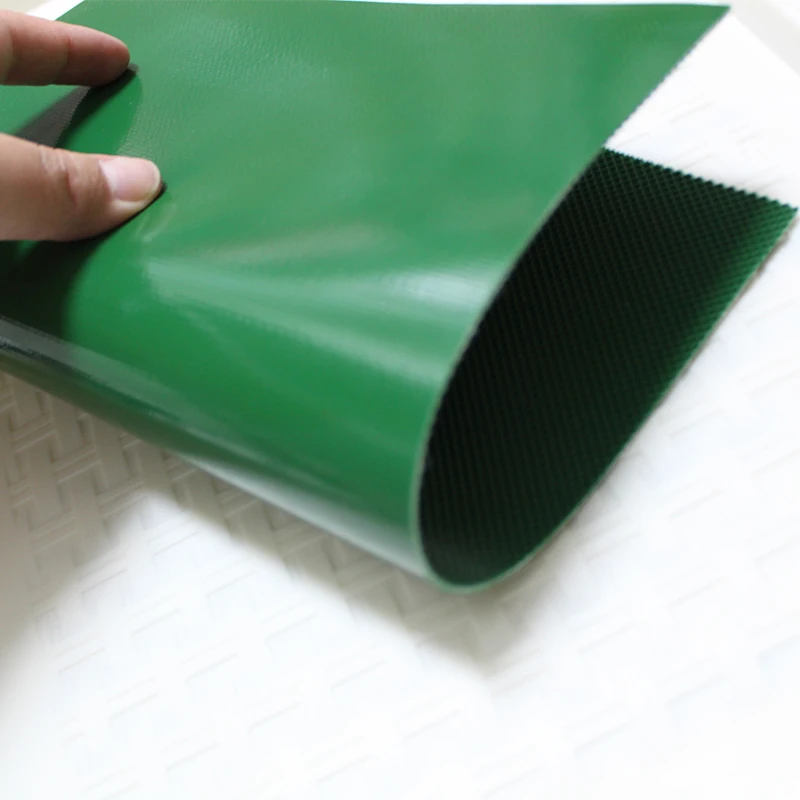
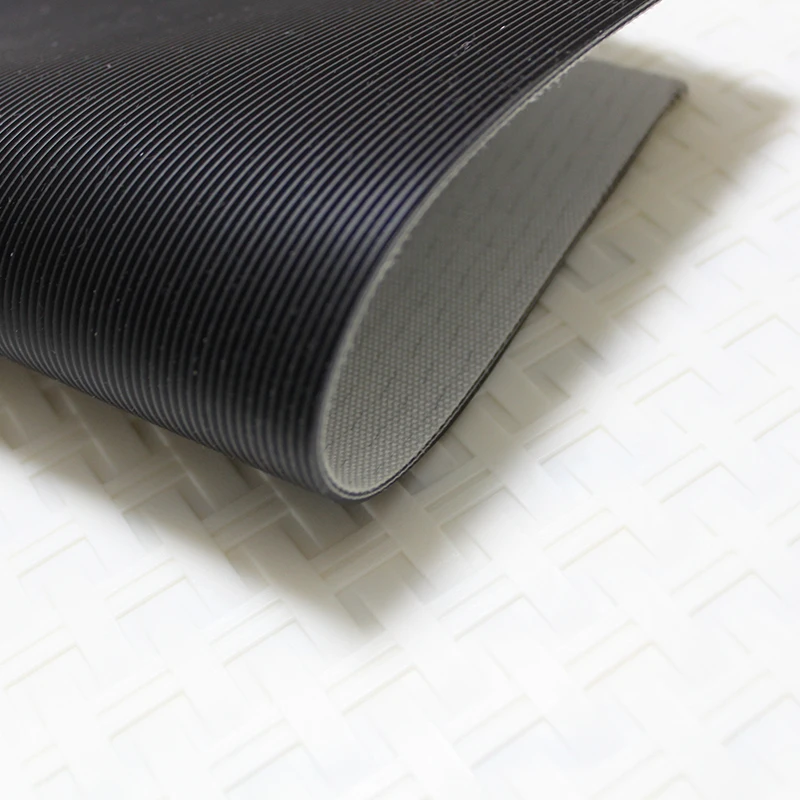
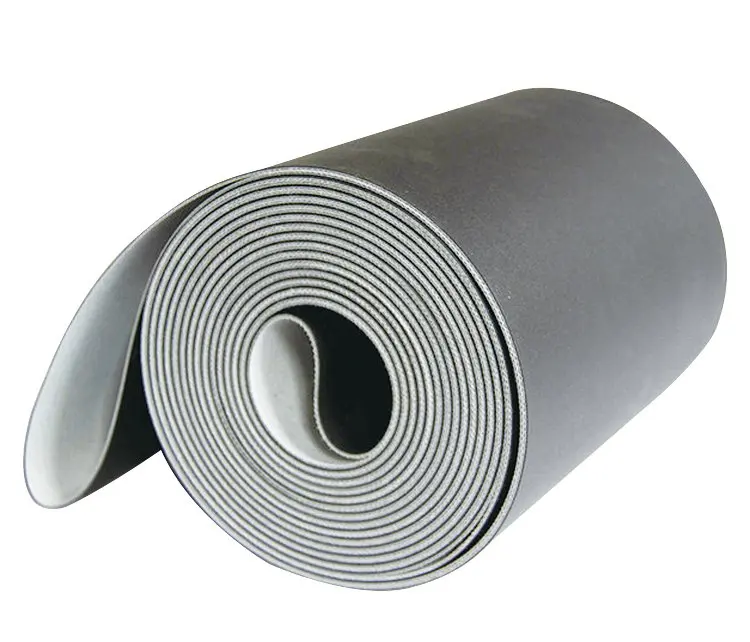
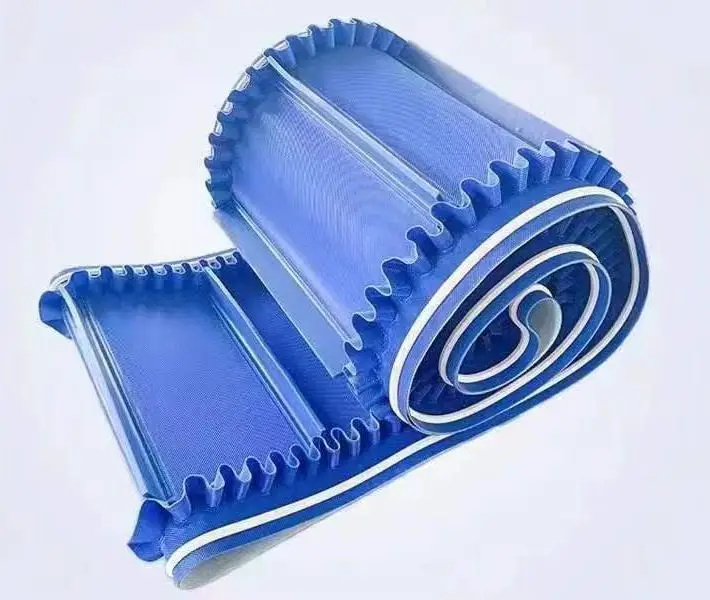
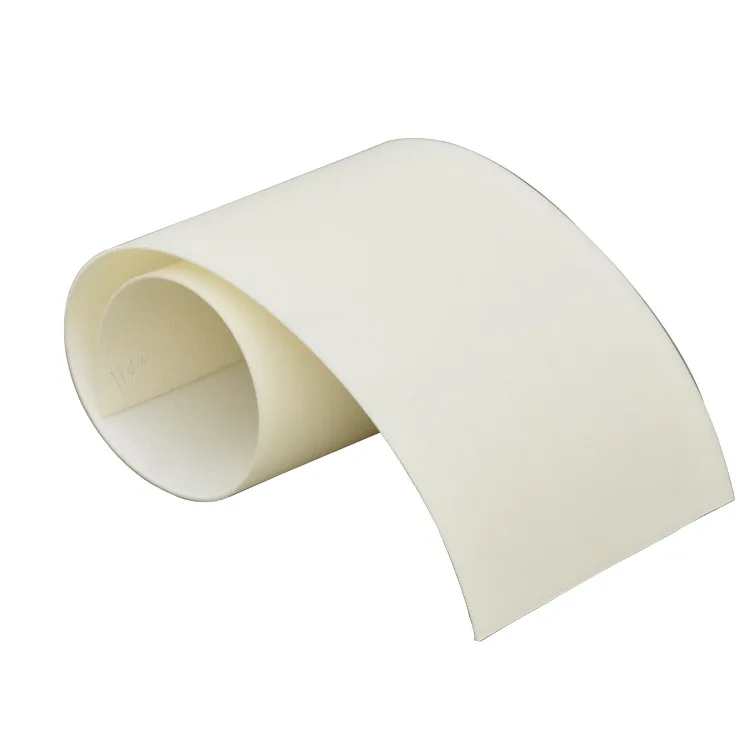
Factory and warehouse equipment, such as conveyor belts are so important when it comes to moving heavy items. They make it easier and more efficient to carry things from here to there. But what if the items are hot? Not your average conveyor belt can take that kind of heat. Which is why so much importance must attach to heat-resistant conveyor belts. They are built to operate through raised temperatures as well. The SHUNNAI is another of the best heat resistant conveyor belts around. They will keep you on the move in wet or dry conditions, even in the hottest temperatures!
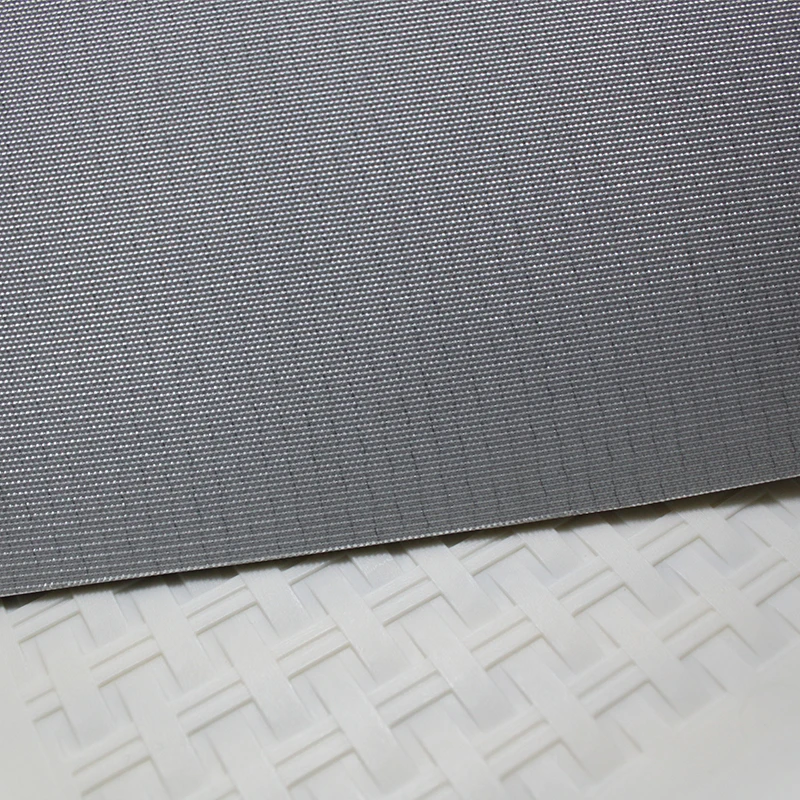
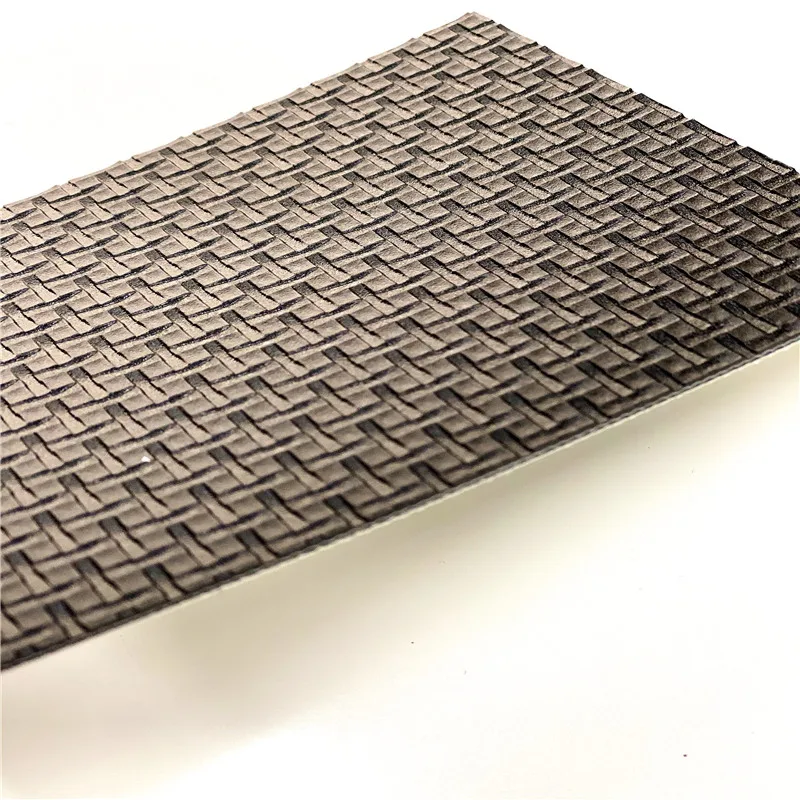
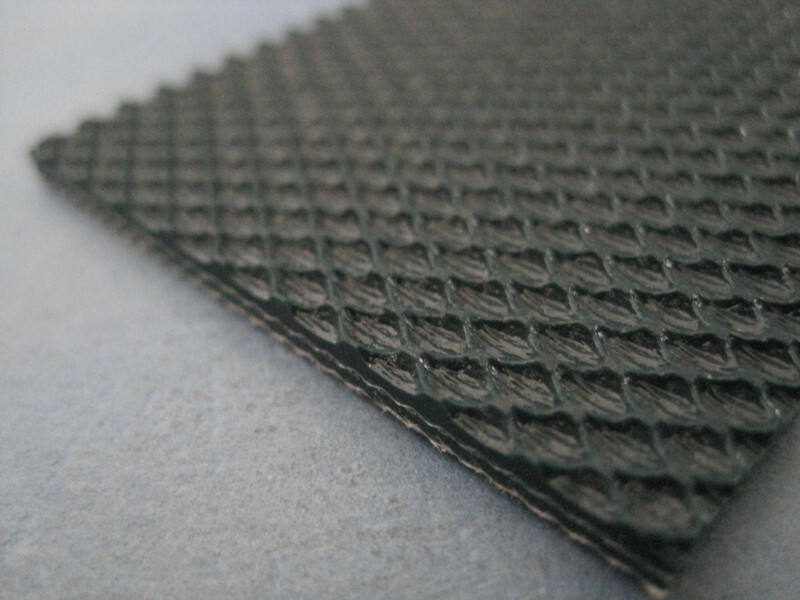
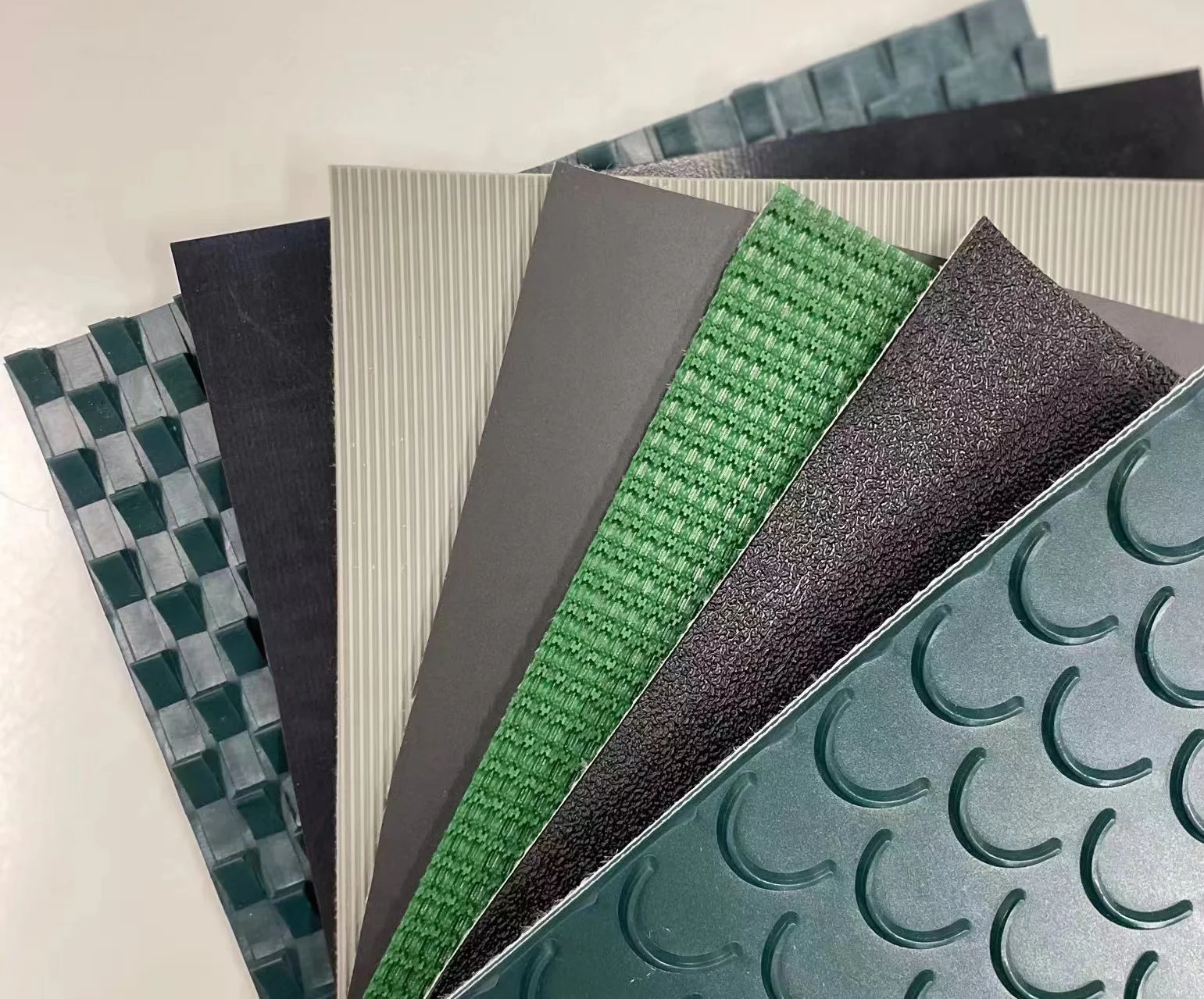
when selecting a heat-resistant conveyor belt, the following factors should be taken into consideration. The first factor is to check what the belt is made of. Higher-end belts tend to be made of tough materials — say, rubber or certain kind of plastic that can withstand intense heat. For example, you can use a belt made of heat-resistant rubber cloths and the like that withstands hot objects without melting or decomposing. Also look at the temperature range the goods conveyor belt can tolerate. Some belts are designed for lower temperature, to a point — maybe 120 degrees Celsius — while others can withstand temperatures of 300 or even much more! Be sure to select one that's appropriate for the temperature of your products.
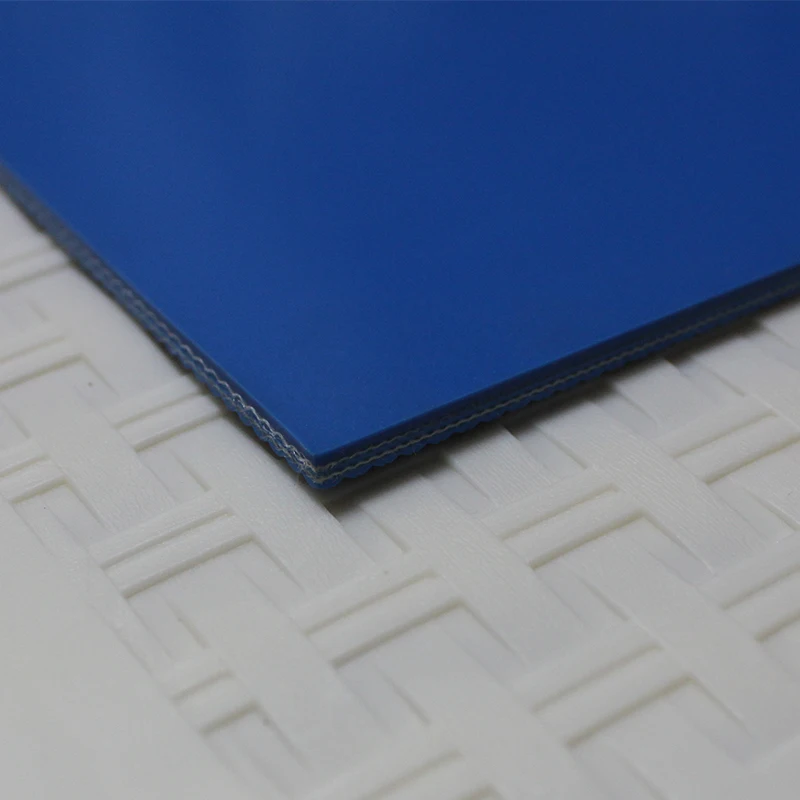
Thickness of the belt is also critical. The thicker belt, in many cases, may be able to bear greater weight and have better heat resistance. Seek belts that are wide enough to carry the load you want moved. Durability is also key. Heat resistant conveyor belts are incredibly durable and should hold up well, even under the most challenging conditions. If you’re carrying something heavy or taking it to a hot environment, you want something that won’t quickly wear out. SHUNNAI belts are built to last so you won’t have to change your belt often.
Heat Resistant Conveyor Belt Helps to Keep the Manufacturing Industry Moving It can truly be enlightening just how much of an effect a heat resistant conveyor belt has on your entire operation. When it comes to the perfect belt, moving hot stuff just got easier and safer. So there is less downtime and fewer accidents. For example, if a factory is pressing hot metal parts, using a heat-resistant belt means workers don’t need to pick up those same parts themselves. That way, everyone is kept safe and focused on their work.
There’s another reason why it’s important to have heat resistant conveyor belts, and that is saving money. And when a standard belt snaps in a hot environment, companies must shell out money to replace i t and repair the machines it had been tethering. It’s a process that can take a long time and cost a lot of money. But with our heat-resistant belts, companies can bypass any such issues. They don’t need to constantly change belts, so they may actually save money over time. This makes roller bed conveyor belt a good choice for the industrial processes that involve higher temperatures.
Technology is constantly evolving – even the machines on your shop floor. Our heat-resistant conveyor belts are improving every year. Recent developments include the introduction of new materials. Features Like many drive belts for today’s vehicles, your car or truck drive belt is mounted through the use of a tensioner that keeps it taut; however, modern vehicle engineers are developing belts made from advanced polymers and composites that can handle even higher temperatures than before. SHUNNAI is at the vanguard of these changes with its silicone bakeware belts that will not only stand up to intense heat but also stay flexible and strong.
In addition, technology is also being used to monitor the status of the conveyor belts. Scanners can even be mounted on the belts to detect any problems with them live. These sensors can notify workers if the lightweight conveyor belt is running too hot or if it has other problems. And then they can fix things before the problem is too big. Very soon, we will be integrating these smart devices into their conveyor belts and enabling businesses to further What risks or challenges are you facing? How are you planning on going about that, what methods have you used so far? more efficient and safe.
Shunnai Belting, Leading conveyor and transmission belts expert delivering high-quality products, customer-focused innovation, and trusted solutions across industries for optimal performance.
Copyright © Shunnai Belting (Shanghai) Co., Ltd. All Rights Reserved | Privacy Policy