 EN
EN
Quick Links
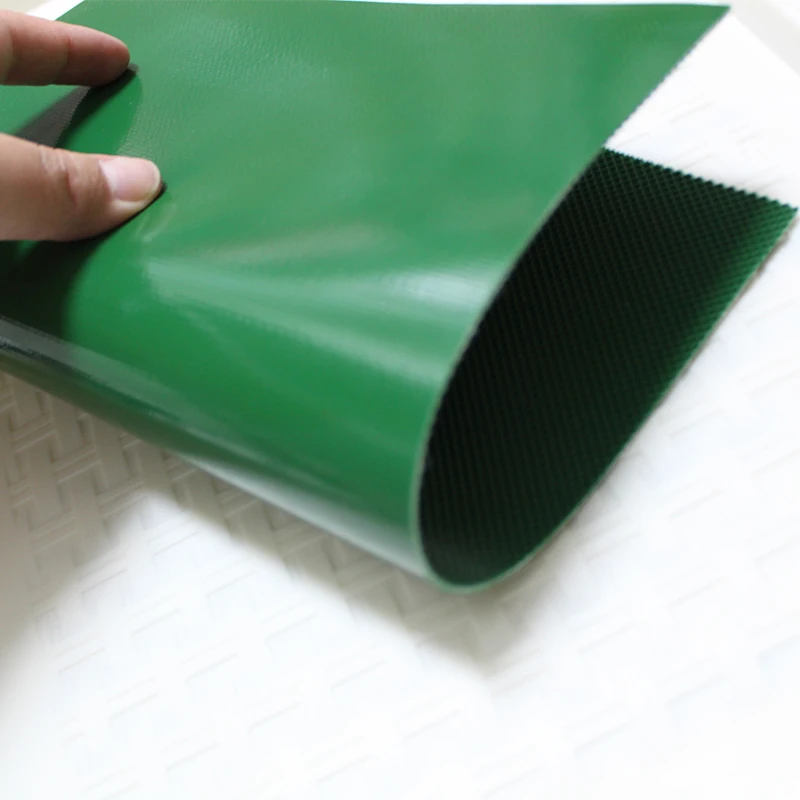
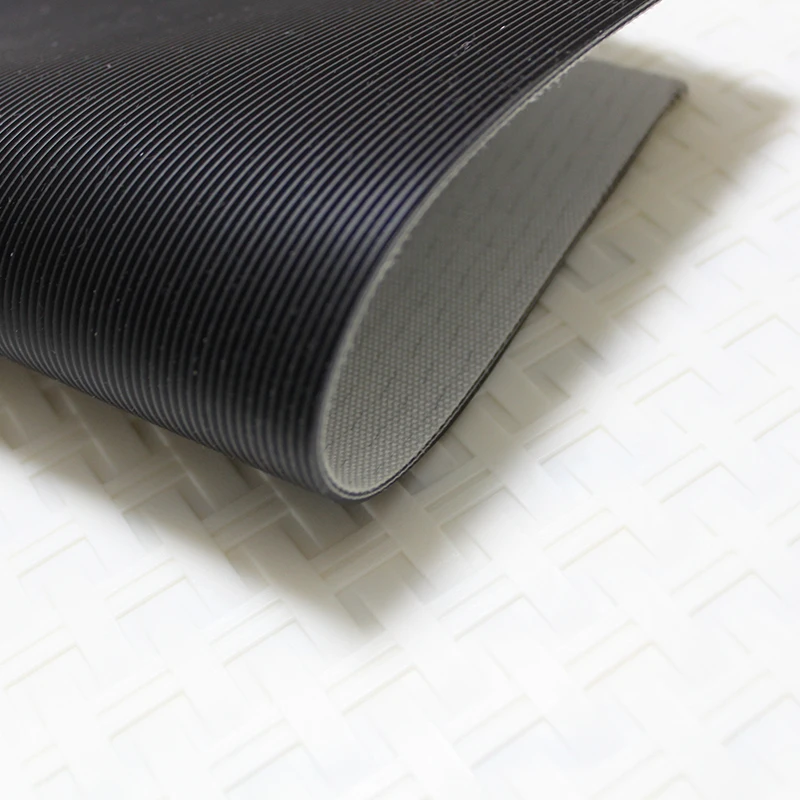
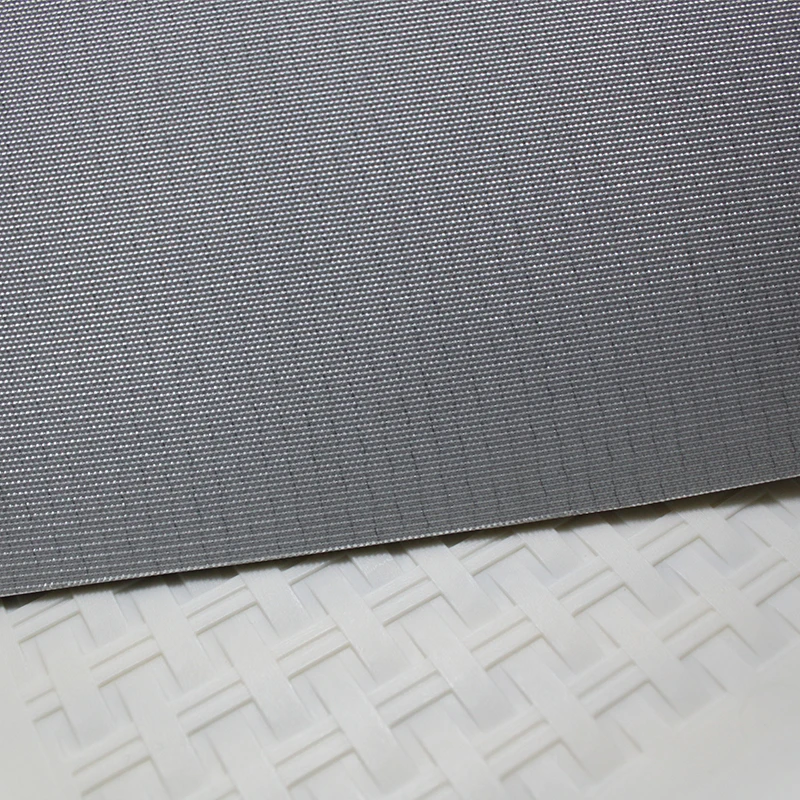
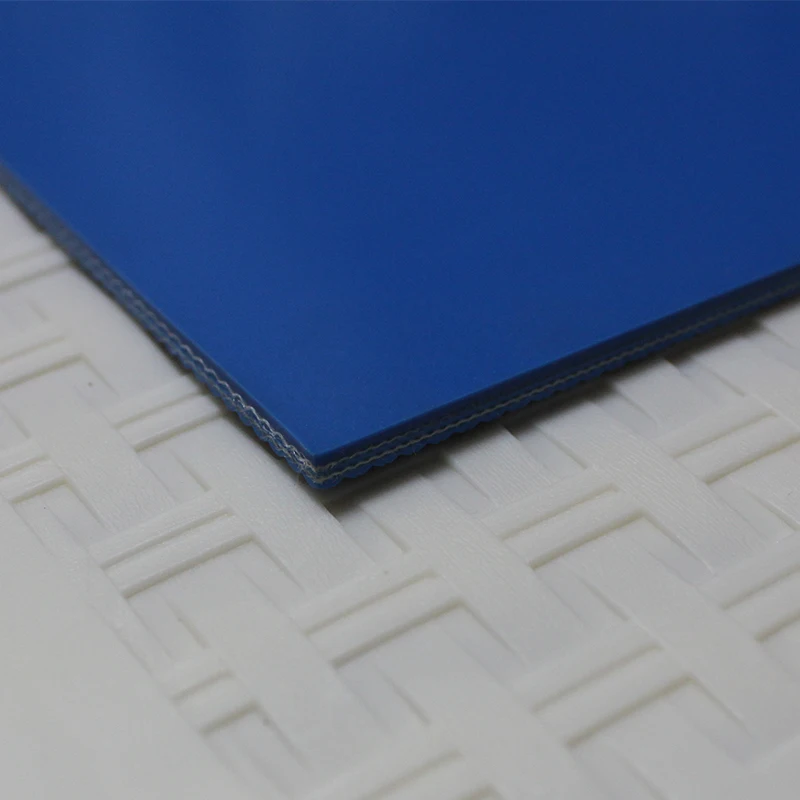
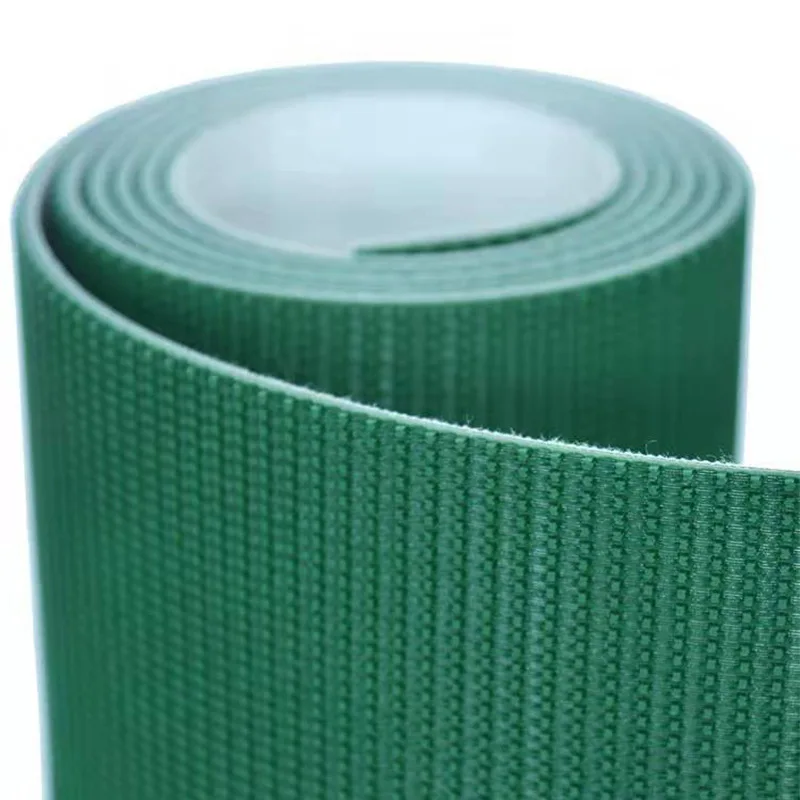
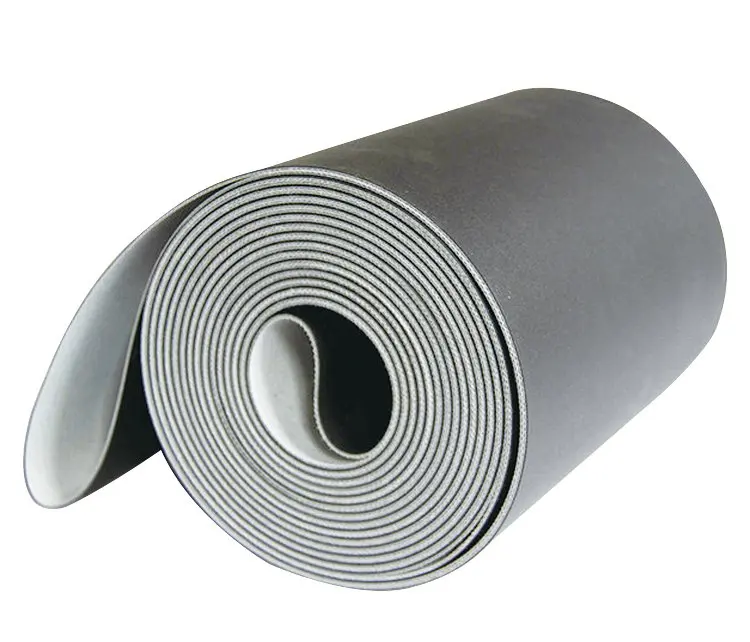
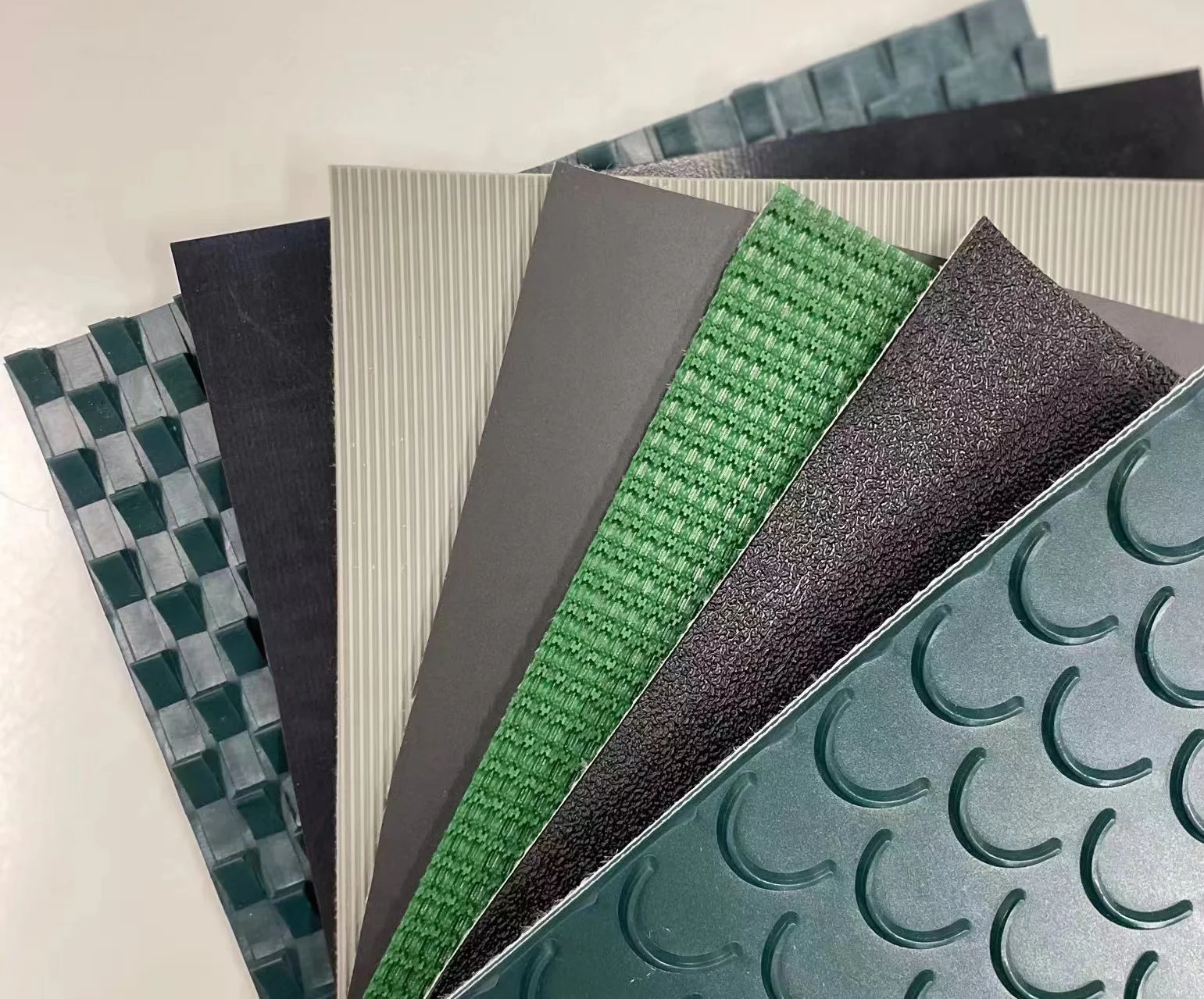
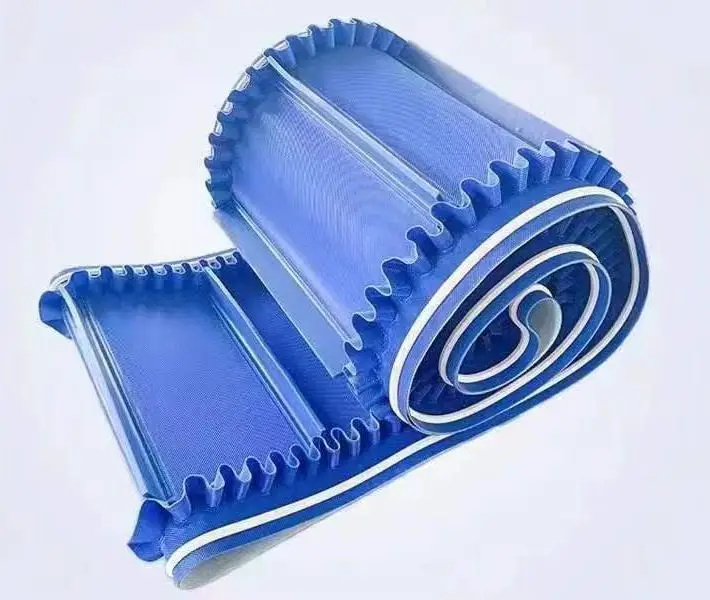
A factory conveyor belt is a long, moving strip that helps in the transportation of things from one place to another. It is a time- and effort-saver for work. Think of a row of toys being manufactured. Now, instead of a worker picking up the toys one by one, the conveyor belt carries them along. This gives you the ability to concentrate on assembling, or packing them without wasting time. The conveyor belt is a critical technology in many of the applications that we take for granted, such as food processing, cars and airplanes, and recreational equipment such as swimming pools and treadmills. Here at SHUNNAI, we understand the importance these conveyor belt for food factory have to businesses and we would like to help you select the right one for your needs.
Factory conveyors can suffer from various issues, and it is critical to be able to identify the problem and make the necessary repairs. One of the most common problems you may encounter with a conveyor belt is belt ribbon. This can occur when the belt does not operate correctly, usually because of improper tension or contamination of the belt surface. To solve this problem, you will need to maintain tension in the belt by adjusting it and cleaning it regularly. Another problem that can occur with conveyor belts over time is damage to the belt due to wear and tear. Once wear begins to occur on a belt, it will often have cracks or splits in it. You should check the condition of the belt on a regular basis. If you see damage on the conveyor belt, the sooner you can replace it, the better off you will be
Objects can become trapped underneath a conveyor belt causing a production slowdown. To remedy this, simply remove the object and teach your employees to recognize objects before they jam under the belts. At SHUNNAI, we can help you maintain your food industry conveyor belt and keep your factory operating smoothly. If you are aware of these types of problems, your company can save both time and money.
How fast or slow you desire to run the conveyor belt. When running some applications will require a high-speed conveyor belt and other applications will run at lower speeds. SHUNNAI provides different styles of conveyor belts designed with varying weights, speeds, and sizes to accommodate different production needs. You can also measure the conveyor’s length and width so that the belt will be able to carry whatever product you want to use it for. If the belt is too short or too thin, it will not work as intended and should be tried out before it is finally used. Then, you should consider whether your budget has enough room for a good quality belt. It may be cheaper in the short term to go with a less expensive but low-quality conveyor belt, but it may actually end up costing you more than a well-made conveyor belt because it will not support your needs for long. By evaluating each of these components, you will successfully identify the right conveyor belt for your production needs and facilitate your workforce in performing their jobs better.
Conveyor belts are best for helping perform significant workloads throughout a factory by providing an efficient means of transporting large quantities of material at once. How do these systems move bulk goods from point A to point B? By the sheer strength of the system overall – similar to large moves of anything heavy throughout history (like moving rocks, moving grain, moving coal), it is essential that the belt itself can hold whatever heavy objects are placed on it without breaking. The quality and durability of SHUNNAI's food belt conveyor allow them to handle any length of time, and therefore require a strong, quality casing. Additionally, the structural material composition of the bulk materials transported on a conveyor belt is important to consider, since the materials transported on these systems are generally very abrasive and/or jagged and therefore require a belt constructed of a strong enough material to accommodate the anticipated lifespan of wear from these abrasive/pointed products.
Finally, it should be easy to clean. Bulk materials are messy, so a good conveyor belt system will also aim to be easy to maintain and keep clean. It’s part of what keeps the factory safe and the equipment in working order. A strong, wide belt is essential to being able to work with large volumes of materials and a conveyor that is well constructed can take the stress of moving heavy or sharp material for extended periods of time without needing continual maintenance; equally important is a construction you can easily clean.
Shunnai Belting, Leading conveyor and transmission belts expert delivering high-quality products, customer-focused innovation, and trusted solutions across industries for optimal performance.
Copyright © Shunnai Belting (Shanghai) Co., Ltd. All Rights Reserved | Privacy Policy