
 EN
EN
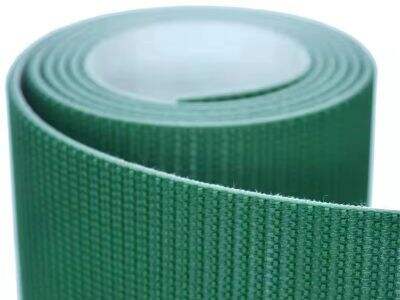
When companies such as make conveyor belts for the wood industry, they have to choose materials that can withstand heavy loads and shuttling over rough conditions. Wood can be sharp or wet, so the belt must be strong and rugged. At SHUNNAI, we are well aware of that. We utilize premium materials that are long lasting and can handle anything you throw at them, especially when it comes to your protecting! Choosing the appropriate material is not an easy task, because you need a belt that can move wood without breaking or slipping. Belts can get dirty or wet, too — when the wrong material is chosen, they may stop working. For this reason, SHUNNAI is always taking careful consideration into the materials it chooses to use in its construction so our conveyor belts can continue to run smooth and safe
What are the most common materials used for production of wood industry conveyor belts
Challenge No 67 special conveyor belts for the wood industry Conveyor belts utilized in the timber market should have actually a neat-looking, harsh, low-reflective surface area and provide a stable hold. SHUNNAI generally consists of rubber, since it keeps the timber, however has actually a resistance for bumps and scrapes. Rubber is actually one of the absolute most prominent option, since it lasts a very long time also when you are transporting hefty visit or pushing about vigorous timber potato chips. Our team in some cases consist of materials like polyester or even nylon material within the rubber towards include stamina as well as reduce extend. This protects the belt limited therefore it doesn't lose or even break. PVC is actually likewise utilized, this is actually a plastic. It is lighter compared to rubber however sturdy sufficient for smaller sized or even lighter function pieces of timber. Damp or even sticky timber is actually easier to cleanse along with plastic (PVC) belt. Steel components are actually in some cases contributed to the edges of the belt, or even within levels, to avoid damages coming from any type of vigorous nails or even screws that may be in the timber. At SHUNNAI, our team likewise offer unique belt coverings that can create all of them hydrophobic or even oleophobic or even chemical-resistant on manufacturing facilities of timber market. These coverings make the belt final much a lot longer as well as constantly function as if it were actually simply switched on. Every product is actually chosen based on exactly how the belt will certainly be actually utilized as well as exactly just what kind of timber items it will certainly keep. If, for example, the belt have to birth hefty logs outdoors, rubber integrated along with steel support may be finest. However the small timber contribute a manufacturing facility, perhaps a PVC belt will function. It is actually this blend of products as well as coverings that provides SHUNNAI belts the stamina towards final in genuine timber market function
Select the best conveyor belt materials for wood industry use
Choosing the correct conveyor belt product for utilize in timber markets is actually in some cases distinct towards specific items. SHUNNAI's authorizations have actually always many points to think about prior to deciding. Very initial, they inquire just the amount of poundage the belt should birth every day. Hefty logs need much a lot extra effective materials like rubber along with material levels on the within. Following, they think about the atmosphere. If it is going to function outdoors, for instance, ought to endure rainfall as well as sunlight, to ensure that it does not break or even end up being weaker. This requires materials that are actually weathertight. Additional, if the belt is actually operating in a factory where timber dirt or even oils prevail it requirements to become cleanable as well as certainly not end up being unsafe. Another consideration is actually the rate at which the belt will certainly traveling. For a fast collection, the belt product cannot extend or even tear quickly, lest it serpent as well as jam up function. SHUNNAI likewise examinations exactly how the belt will certainly manage sharp or even rough timber items. Nails or even screws buried in the timber sometimes will certainly ruin belts. For that reason, these quick-damage products need additional protection layers. Upkeep is one more big consideration. Typically, a belt that ruptures winds up setting you back our team much a lot extra in cash as it frequently should be actually fixed or even changed. That is why possessions due to the SHUNNAI may not be just created along with products that final, however are actually likewise developed towards function effectively for much a lot longer durations as well as need much less fixing. Expense contributes in the choice also, however SHUNNAI claims that spending then good products wind up conserving cash since they are actually certainly not damaging. Unique functions are actually sometimes asked for through clients: belts that do not ignite or even that earn less sound. SHUNNAI can easily choose materials which please these demand. Choosing the very best product needs factor to consider of all of these factors, not just one. SHUNNAI's proficiency assists towards strike the appropriate equilibrium therefore the belt jobs very most efficiently as well as maintains functioning without problem, despite the timber industry's demands
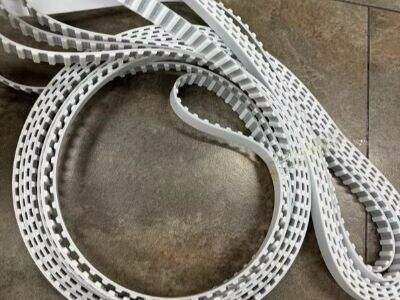
Best Wholesale Conveyor Belting for Wood Processing
Conveyor Belts in Forest Industry In wood industry, conveyor belts are considered to be one of the most essential for carrying woods fast and safe. When reputable manufacturers like SHUNNAI create conveyor belt systems for wood processing, they use durable material that is easy to clean. Rubber is a favorite material because it can take the beating of rough wood surfaces. Because rubber belts can grip your wood, the pieces will not slide or tumble around as you move them. Another frequently used material is PVC (polyvinylchloride). PVC belts are lighter than rubber, and will resist a good many chemicals (which is important when the wood is treated with some liquids or finishes). In some cases, they use PU (polyurethane) conveyor belts. PU is very pliable and easily bends around sharp corners and rough wood without breaking
The inside of the conveyor belt is as important, in addition to the belt surface. SHUNNAI even uses these sturdy fabrics such as polyester or nylon for the inside materials of their conveyor belts to ensure quality. These are what keeps the belt together and make it strong enough to pull heavy loads of wood. In very heavy or fast wood plants steel cords are sometimes inserted in the belt for additional strength. This causes the belt to last longer and prevents it from stretching too much. Ultimately, the optimum materials for conveyor belts in wood processing are those that have strength, elasticity and grip so that the wooden pieces can be transported without being damaged
Where to Get Eco-Friendly Conveyor Belt Materials for Dust-Intensive Woodworking Industry
Most wood factories today would like to be good to the environment. That means they seek out conveyor belts that are made from sustainable materials. SHUNNAI Is The Earth's Concerned Company, It Also Strives To Study And Choose Green Material For Conveyor Belt. Using recycled rubber or plastics is a great way to obtain eco-friendly materials. These materials are recovered from old products and cleaned to become new conveyor belts. The recycle material function can avoid the waste of resources. Natural rubber and other Eco Discs are another ecologically responsible choice. Stuff like this rubber is derived from rubber trees, not oil-based products. Natural rubber biodegrades more readily in nature and does less damage to the environment
For the inside of the conveyor belts, SHUNNAI seeks materials that are composed of organic fibers or created using recycled content. These fibers both cut down the new materials we consume and help reduce pollution. And then at times conveyor belts can be manufactured out of less harmful chemicals in the first place during production. That’s better for the workers and the planet. Moreover, when SHUNNAI sources eco-friendly materials, the suppliers are required to adhere to stringent regulations protecting the forest and water supply. This means that the materials come from areas that value nature and don’t pollute or deforest
Opting for an eco-friendly conveyor belt material is good for wood factories because it saves the planet while keeping the belts as strong and useful tools. SHUNNAI has been making all efforts to seek and apply these green materials so that wood processing plants can be safe for the employees and friendly to the earth

What are the common material problems with conveyor belts in wood processing plants
Wood: Tough conditions for belts in wood processing plants. SHUNNAI is aware that the solution of these problems contributes to better belts. One of the issues is wear and tear. There can be sharp details or rough edges on wooden pieces that may damage or cut into the surface of the belt. Over time these small cuts can weaken the belt and it will break. Another problem is belt slipping. If the belt doesn’t grip well, pieces of wood can slide off or stick to it, slowing you down. This typically occurs when belts become messy or wet with sawdust, oils, and water
The hoarding of heat and change in temperature can also create difficulty. Wood factories can have hot machines or keep temperatures going up and down a lot. Some belt materials can get too soft in heat, or be too stiff in cold, and so the belts break or start to bind. SHUNNAI selects the material able to stand up to such changes. And chemicals used in the treatment of wood can be harmful to the conveyor belt, too. Some chemicals can cause the belts to swell, crack or lose grip. The problems like these are avoidable with the chemical-resistant materials
And lastly, the inside fabric or cords can stretch and even break when the belt is consistently carrying real heavy loads of wood or being operated too fast. This can result in slack or misalignment of the belt. SHUNNAI conveyor belts are built using a compelling inner that will not stretch and keeps the belt tight and sleek. Understanding these problems as typical clues, can help SHUNDA make better conveyor belts for timber plants. This translates to less downtime, safer work conditions and long-lasting belts for customers
Table of Contents
- What are the most common materials used for production of wood industry conveyor belts
- Select the best conveyor belt materials for wood industry use
- Best Wholesale Conveyor Belting for Wood Processing
- Where to Get Eco-Friendly Conveyor Belt Materials for Dust-Intensive Woodworking Industry
- What are the common material problems with conveyor belts in wood processing plants